Tai Chi Australia: One Melbourne Stage, Ages 5 to 90, One Family
Quick answer: Tai Chi Australia-wide is a slow, low-impact Chinese martial art that people of any age can practise together. On 13 September 2026, AWCC Tai Chi students aged 5 to 90 performed Tai Chi and martial arts routines together at Hawthorn Arts Centre in Melbourne. A few days earlier, from 10 to 12 September 2026, AWCC ran a Tai Chi demonstration area at the Australia–China Expo at the Melbourne Convention and Exhibition Centre. AWCC runs parent-child Tai Chi and kung fu classes across Melbourne, and you can book a free trial class.
Have you ever seen 90-year-olds and five-year-olds perform on the same stage?
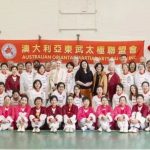
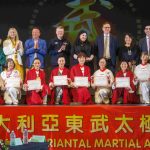
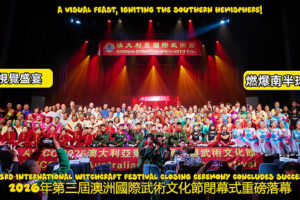
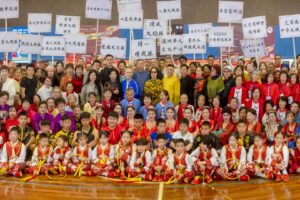
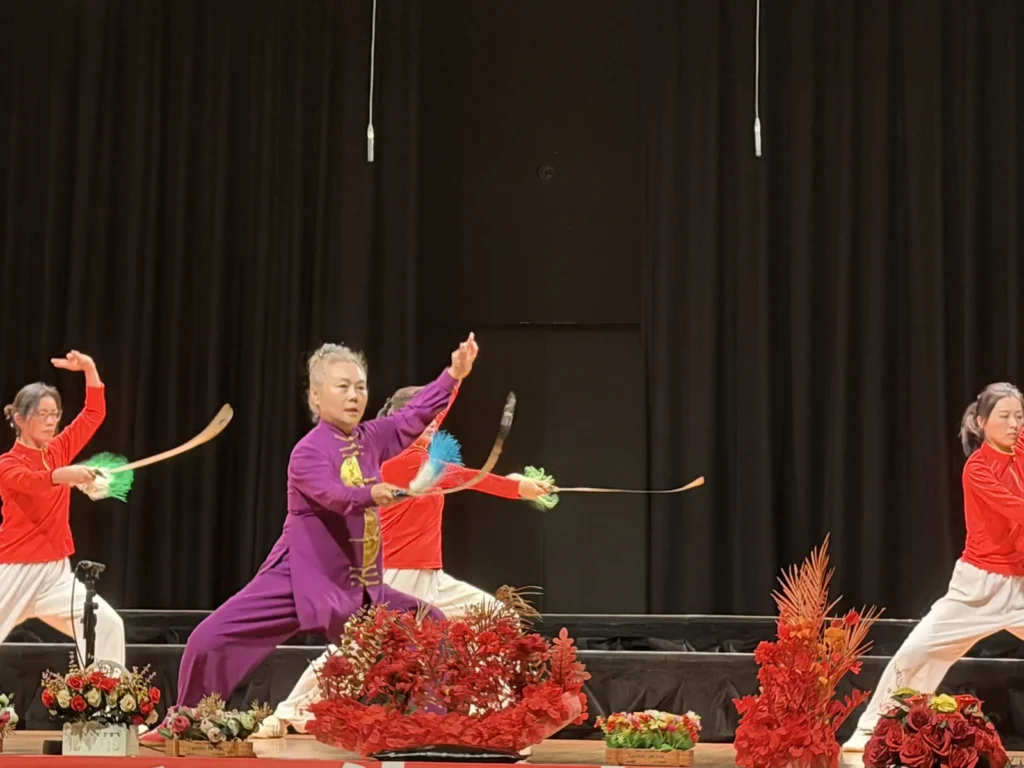
That’s what happened on Sunday, 13 September 2026, in Hawthorn. Led by instructor Jiang Hui (Wendy), students from AWCC Tai Chi performed a series of martial arts and Tai Chi routines. The youngest was five and the oldest was ninety, and the audience applauded warmly all the way through.
For many Melbourne families, it showed something they had been missing: one activity the whole family can do together. It also showed why Tai Chi Australia-wide is no longer just for seniors in the park.
What happened at Hawthorn Arts Centre on 13 September 2026?
On 13 September 2026, AWCC Tai Chi, led by instructor Jiang Hui (Wendy), gave a multi-generational martial arts and Tai Chi performance at Hawthorn Arts Centre (360 Burwood Road, Hawthorn VIC 3122). The show included:
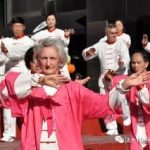
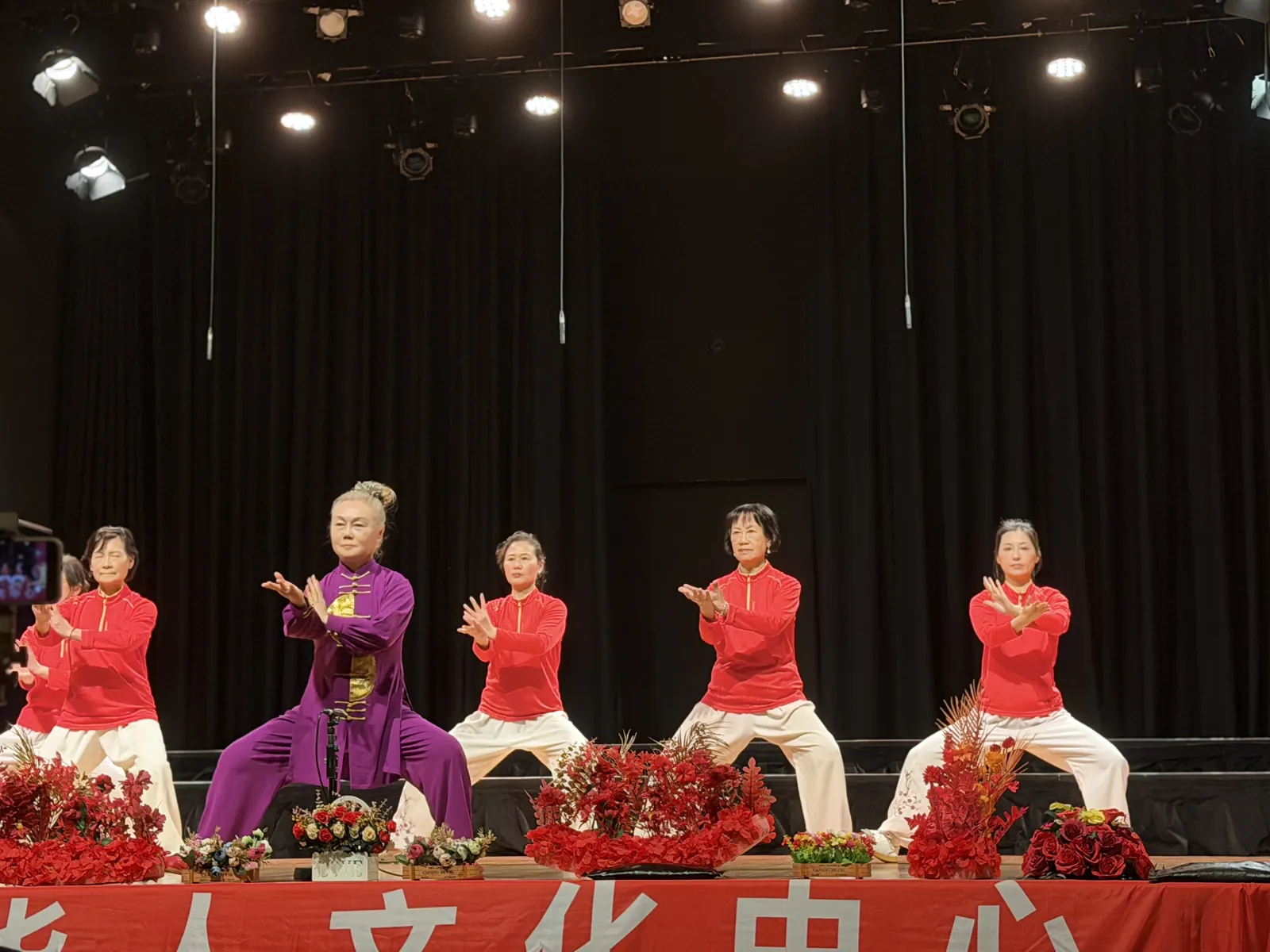
- Senior Tai Chi routines. Grandparents in red and purple uniforms moved through slow Chen-style forms and Tai Chi weapon sequences.
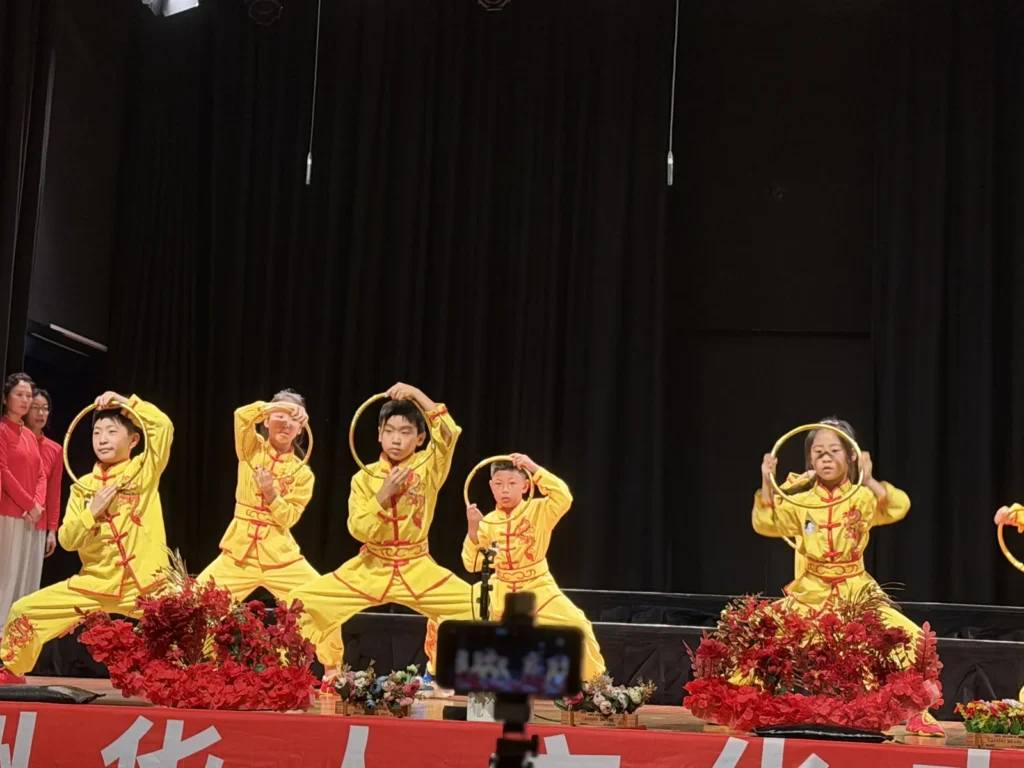
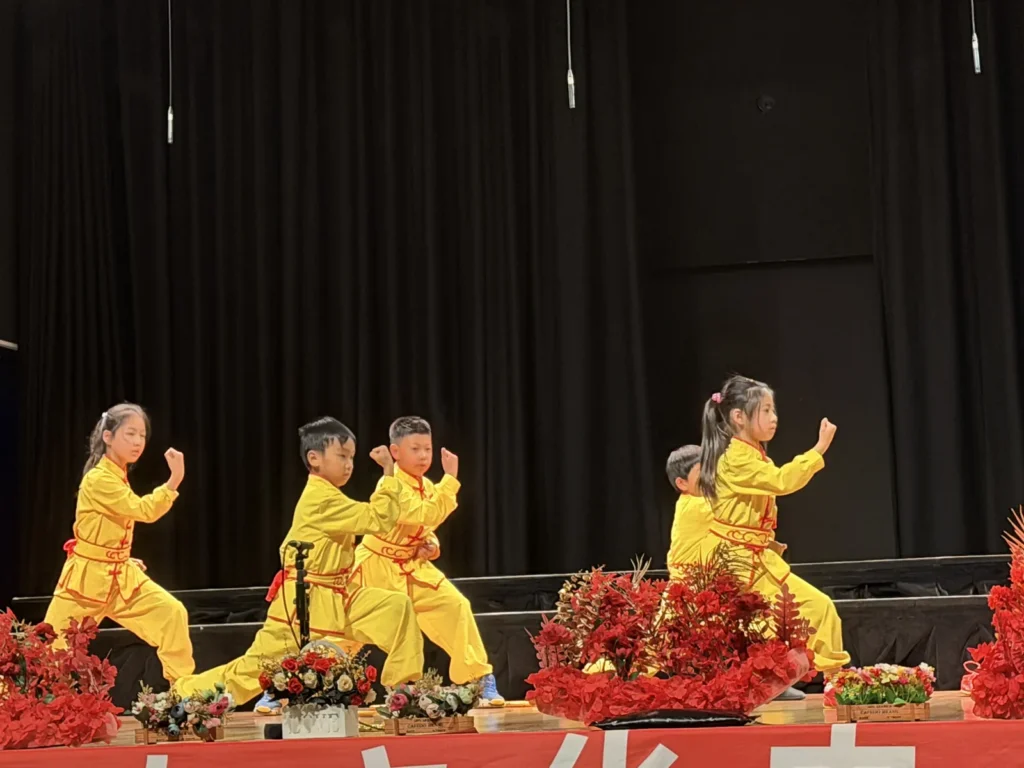
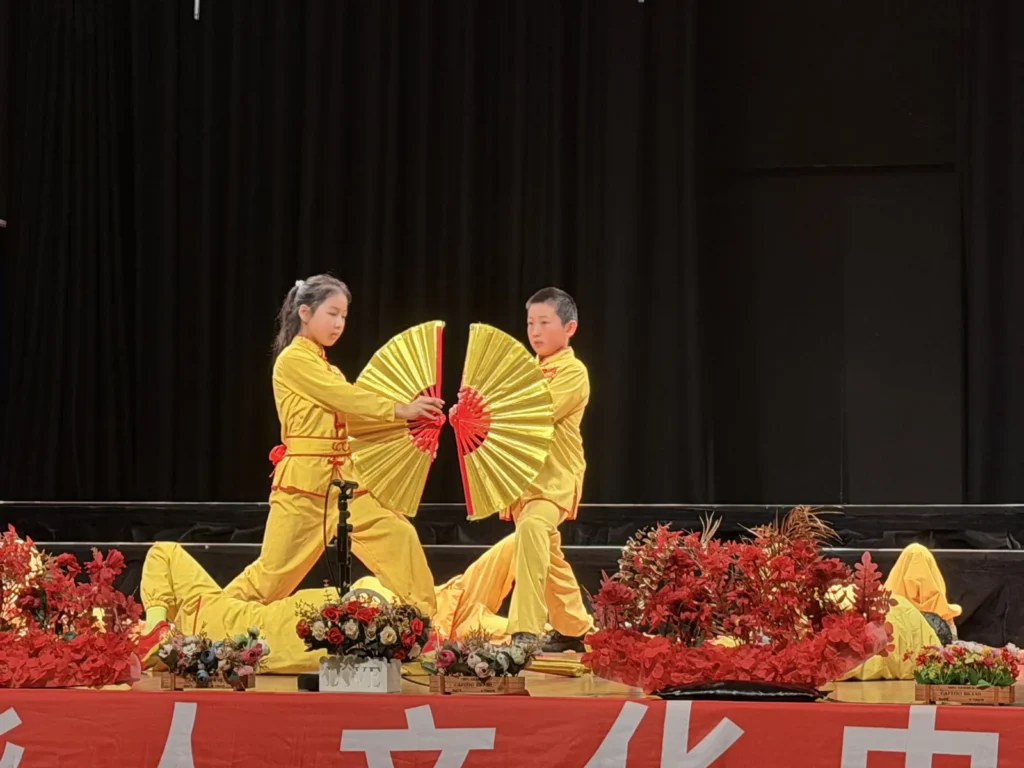
- Children’s kung fu. Our “Little Warriors” team performed routines with golden rings, kung fu fans, a broadsword and traditional long-handled weapons.
- Whole-family moments. Grandparents, parents and children shared the stage, with no age barriers and no split by skill level.
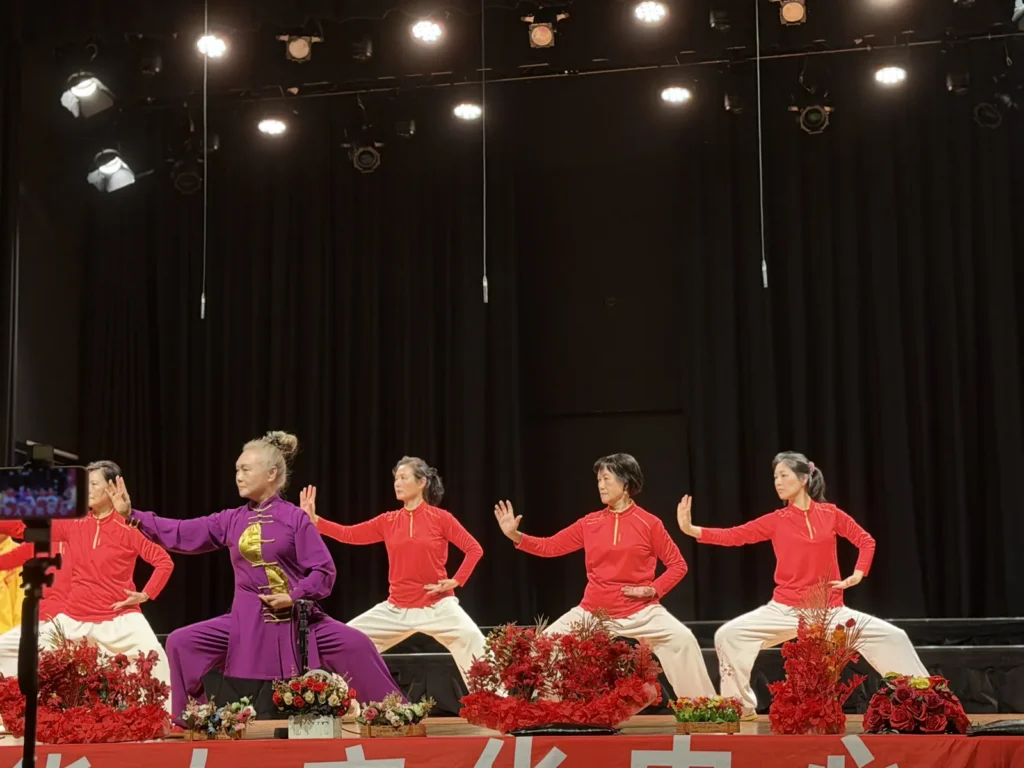
This was not just a show of technique. Family members supported each other, the children gained confidence, and the seniors got to share what they love with the youngest generation.
Why is it hard for Melbourne families to find an activity they can share?
In Melbourne, many Chinese families face the same challenge. Everyone is busy, and the family rarely spends real time together:
- Children won’t put down their phones and tablets. Australia’s 24-Hour Movement Guidelines recommend that children aged 5–17 have no more than 2 hours of recreational screen time a day and at least 60 minutes of moderate-to-vigorous activity.
- Grandparents are often home alone. Many elders spend long days by themselves without much company.
- Most activities split families by age. Kids go to soccer, parents go to the gym, and grandparents go for a walk, so nobody does anything together.
Tai Chi and Chinese martial arts close this gap. A five-year-old and a ninety-year-old can learn the same movements and stand side by side, and each person trains at their own level.
Why does Tai Chi work for every generation?
Tai Chi (太极拳, Taijiquan) is a traditional Chinese martial art made up of slow, continuous, flowing movements that are coordinated with breathing and focus. It is low-impact and can be adapted to any fitness level, which is why it suits a whole family.
For grandparents: balance, strength and fewer falls
Tai Chi is one of the best-researched exercises for older adults, and some of that research was done in Australia. In the Central Sydney Tai Chi Trial, 702 community-dwelling adults aged 60 to 96 took one-hour Tai Chi classes once a week for 16 weeks. At 24 weeks, their risk of falling was about one-third lower than the control group’s (hazard ratio 0.67). A 2025 meta-analysis of 21 randomised controlled trials covering 2,408 older adults came to a similar conclusion: Tai Chi significantly improved balance and walking speed and reduced both fall risk and the fear of falling.
For parents: a calm, low-impact workout
Tai Chi puts little strain on the joints, so busy parents can train without heavy gym sessions. The slow breathing and steady focus also give them a break from work and screens, and they get to spend that time with their children and parents.
For children: focus, discipline and confidence
A systematic review of Tai Chi and Qigong trials in children and adolescents found that these practices may improve young people’s physical health and function. For kids, martial arts also bring structure: learning a routine, remembering the sequence, and then performing it on a real stage in front of an audience.
| Family member | What Tai Chi and martial arts offer |
|---|---|
| Grandparents (60–90+) | Better balance, leg strength and confidence in walking, plus company and a sense of purpose |
| Parents | Low-impact fitness, stress relief and screen-free time with the family |
| Children (5+) | Coordination, focus, discipline, confidence on stage and a link to Chinese culture |
| The whole family | A shared goal, practice you can do together at home, and memories on stage |
Tai Chi on an international stage: the Australia–China Expo in Melbourne
Earlier that week, Tai Chi also took the stage at a much larger event. The Australia–China Economic, Trade and Investment Expo (ACETIE) opened on Thursday, 10 September 2026 at the Melbourne Convention and Exhibition Centre (MCEC) in South Wharf.
For all three days, the Australian Oriental Martial Arts Tai Chi Alliance (AOMA / AWCC) hosted a dedicated Tai Chi demonstration area. Experienced Tai Chi practitioners from Melbourne took turns performing, and every movement was calm, steady and graceful, showing the elegance of traditional Chinese culture.
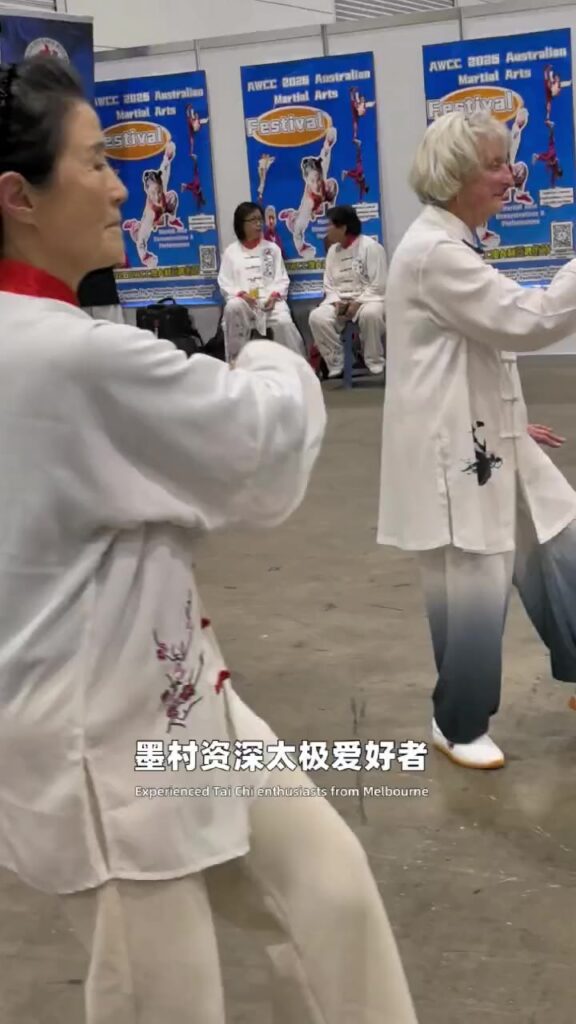
As the old saying goes, we “make friends through martial arts” (以拳会友). At the Expo we met visitors through Tai Chi, shared its approach to wellbeing, and showed its open, welcoming spirit on an international stage.
Tai Chi Australia today: styles, schools and where AWCC fits
Across the Tai Chi Australia community, classes now run in every state, in community halls, parks, schools and dedicated academies. The Tai Chi Association of Australia is the national peak body, and the main styles taught are Chen, Yang, Sun and Wu, along with Qigong.
In Melbourne, AWCC Tai Chi (Australian Wushu Cultural Center, also known as the Australian Oriental Martial Arts Tai Chi Alliance, AOMA) was founded on 21 April 2018. It teaches Chen-style Tai Chi, Health Qigong (Ba Duan Jin), Wudang and Shaolin kung fu, and Tai Chi sword. AWCC is led by Jiang Hui (Wendy), a 2018 World Wushu All-round Champion (Hong Kong) and a lineage disciple of Chen-style Taijiquan. AWCC has around 3,000 current and past members.
Where can my family learn Tai Chi and kung fu in Melbourne?
AWCC runs classes at several campuses in Melbourne’s east:
| Campus | Venue | Classes |
|---|---|---|
| Doncaster East | Pines Learning Centre, 520 Blackburn Rd | Tai Chi (Sun) · Youth kung fu (Sun) |
| Doncaster | Doncaster Secondary College / Mc Square, 687 Doncaster Rd | Tai Chi (Sat) · Youth kung fu (Sun) |
| Glen Waverley | Brandon Park, 649 Ferntree Gully Rd | Tai Chi (Thu) · Youth kung fu (Thu) |
| Kew | Carey Baptist Grammar School, 397 Barkers Rd | Youth kung fu (Sat) |
| Burwood East | 310 Burwood Hwy | Youth kung fu (Mon) |
Times and fees can change each term. Check the latest details on our Tai Chi beginner course and Wudang kung fu youth class pages. Parent-child packages are available.
How do you start family Tai Chi? 4 simple steps
- Book a free trial class. Come as a family and try a class with a champion coach. Book your free trial here.
- Choose your campus. Pick the location and day that suit your family’s weekly routine.
- Train side by side. Grandparents, parents and children learn together, and each person works at their own pace.
- Practise at home and perform. A 10-minute family session in the living room keeps the progress going. Your family could be on the next AWCC stage.
Tai Chi Australia FAQs: what families ask us
What is the best age to start Tai Chi?
Any age is a good age. At our Hawthorn Arts Centre performance, the youngest performer was 5 and the oldest was 90. Children usually start with kung fu basics and Tai Chi movements, and seniors can begin with a gentle beginner form.
Can parents and children do Tai Chi together in Melbourne?
Yes. AWCC runs parent-child martial arts and Tai Chi classes at campuses in Doncaster, Doncaster East, Glen Waverley, Kew and Burwood East, and it offers parent-child packages so families can train together.
Is Tai Chi good for seniors?
Yes. Tai Chi is low-impact, and research, including the Australian Central Sydney Tai Chi Trial, shows it improves balance and can lower the risk of falls in older adults. If you have a medical condition, check with your doctor before starting.
What style of Tai Chi does AWCC teach?
AWCC mainly teaches Chen-style Tai Chi, along with Health Qigong (Ba Duan Jin), Tai Chi sword, and Wudang and Shaolin kung fu for children and teens.
Do I need experience or special equipment?
No. Beginners are welcome. Wear comfortable clothes and flat shoes and bring a water bottle. Uniforms and weapons come later, once you are ready to perform.
How do I find Tai Chi Australia classes near me?
Search the Tai Chi Association of Australia instructor directory by state and style. If you live in Melbourne’s east, you can book a free AWCC trial class in Doncaster, Doncaster East, Glen Waverley, Kew or Burwood East.
Where was the AWCC family Tai Chi performance held?
It was held at Hawthorn Arts Centre, 360 Burwood Road, Hawthorn VIC 3122, on 13 September 2026.
Bring your whole family to Tai Chi
Tai Chi Australia is growing, and it is best shared. Looking for a traditional cultural activity that grandparents, parents and children can all enjoy? Join our parent-child martial arts and Tai Chi classes and share that calm and strength as a family.
📞 +61 467 597 080 · ✉️ ad@awcc.com.au
Watch the full Hawthorn Arts Centre performance
Tags: #MelbourneTaiChi #AustraliaChinaExpo #ChineseCultureMelbourne #TaiChiWellness #MelbourneEvents
References
- Voukelatos A, et al. (2007). A randomized, controlled trial of tai chi for the prevention of falls: the Central Sydney tai chi trial. Journal of the American Geriatrics Society.
- Effects of Tai Chi on balance and fall prevention in healthy older adults: a randomized controlled meta-analysis (2025). Frontiers in Public Health.
- Effects of Tai Chi and Qigong in Children and Adolescents: A Systematic Review of Trials. Adolescent Research Review.
- Australian 24-Hour Movement Guidelines for Children and Young People (5–17 years).
- MCEC: Australia–China Economic, Trade and Investment Expo 2026.