From a Raging Fire: Melbourne’s Kung Fu Grandma & AWCC Tai Chi
When his Tai Chi master — AWCC Oriental Tai Chi founder and Melbourne’s “Kung Fu Grandma” Wendy Jiang (Jiang Hui) — carried to his hands the AUD 35,817 raised by all the Tai Chi students together with supporters from across the community, this student Derek Wang , who trains under Wendy alongside his own son, made a decision that moved the entire Chinese community: he donated the entire sum, and announced the establishment of the AWCC Oriental Tai Chi Charity Foundation — directing the donations he urgently needed to rebuild his home towards helping fellow community members struck by disaster, and towards supporting frail elderly people with chronic illness as they regain health and wellbeing through Tai Chi.
A relay of kindness within a disaster lets the very core of Tai Chi — harmony and goodwill — step beyond the movements themselves and become visible mutual support in the Southern Hemisphere. And the custodian of these funds, AWCC Oriental Tai Chi, has been quietly working this land for nine years.

1. A Melbourne Community Tai Chi Organisation Run for Nine Years With No One Taking a Salary
In Melbourne, the name “Kung Fu Grandma” Wendy Jiang is known to almost everyone in the Chinese community. Now aged seventy-three, she holds a 7th Duan in Chen-style Tai Chi and is an internationally licensed senior coach — a former five-event all-round champion at the 16th Hong Kong International Wushu Competition, and, for three consecutive terms, Chair of the Organising Committee of the Australian International Wushu Festival.
But what the community remembers her for is not the medals — it is the community classrooms that light up on time, week after week.
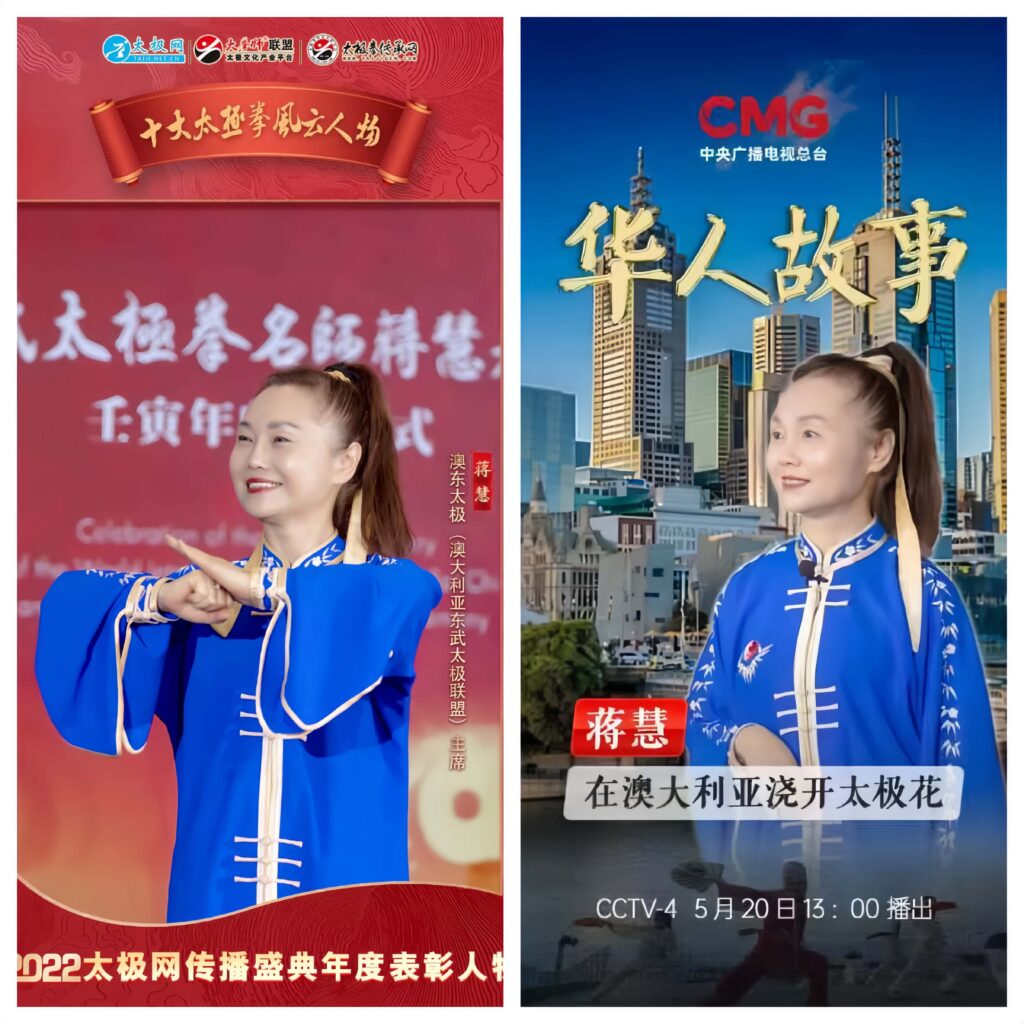
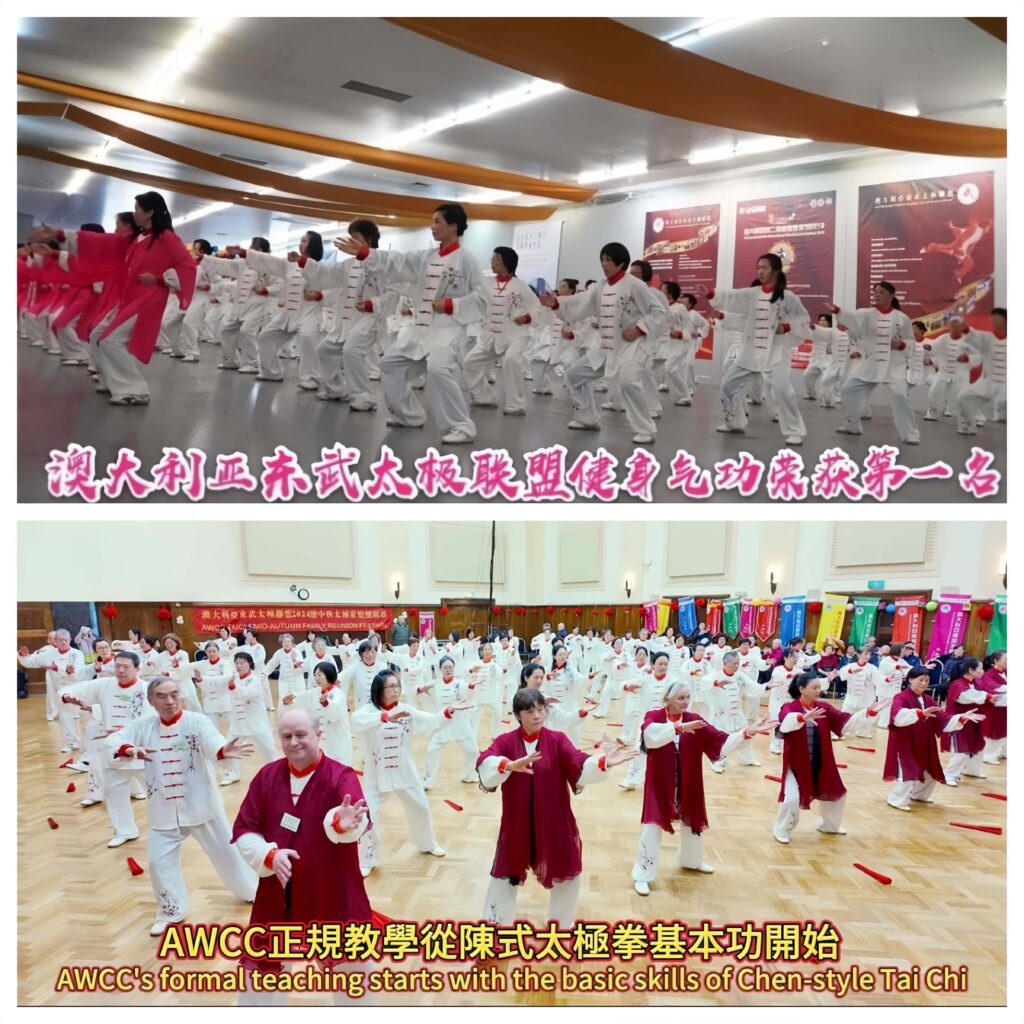
For nine years, AWCC Oriental Tai Chi has opened its foundation-level community Tai Chi classes to every local resident of Melbourne — regardless of age or nationality. With a booking in advance, students may attend free classes across campuses and time slots, and the programme has consistently offered free instruction, in particular to elderly, frail and chronically ill residents who need gentle movement for rehabilitation. From the head coach to the assistant coaches to the volunteer carers, not one person in this team takes a single dollar in salary.
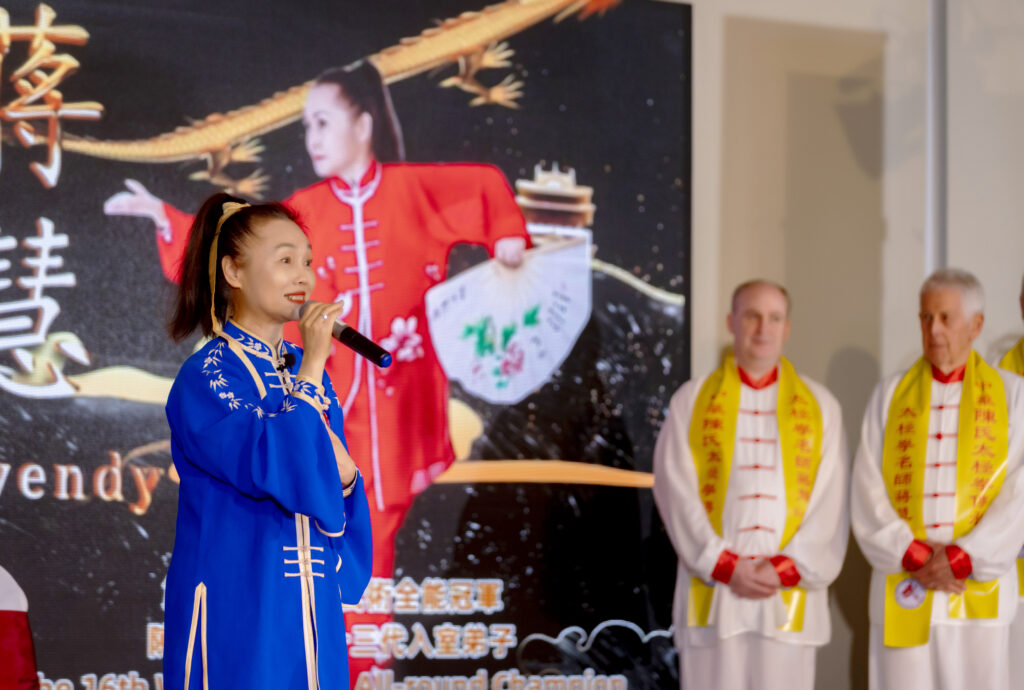
“Those who practise martial arts understand best what ‘relaxed’ and ‘grounded’ mean. Only when fame and gain are set down does one’s stance stand straight,” Wendy says. Her teaching standards are famously strict: every instructor at the centre is professionally trained and holds gold-medal records in international competition. Across nine years the team has produced seven international Tai Chi individual champions, six international youth wushu champions and six world-level first places in group events, and has helped 113 students pass the Chinese Wushu Duan grading assessments. Five campuses run regular in-person classes, supported by online master-class courses in both Chinese and English, and five thousand students in Australia and overseas have come closer to authentic Chinese wushu and Tai Chi through them.
2. From Community Classrooms to the Great Hall of the People

On 7 February 2026, this youth wushu troupe rooted in Melbourne stepped onto the highest stage of their ancestors’ homeland — invited to appear at the Great Hall of the People and on Starlight Avenue in Beijing for the recording of the National Children’s Spring Festival Gala. The programme was broadcast worldwide on the second day of the Lunar New Year: the kung fu figures of Chinese-Australian youngsters from the Southern Hemisphere appeared on a national cultural stage in this way for the first time, and the documentary footage was collected by a CCTV programme.
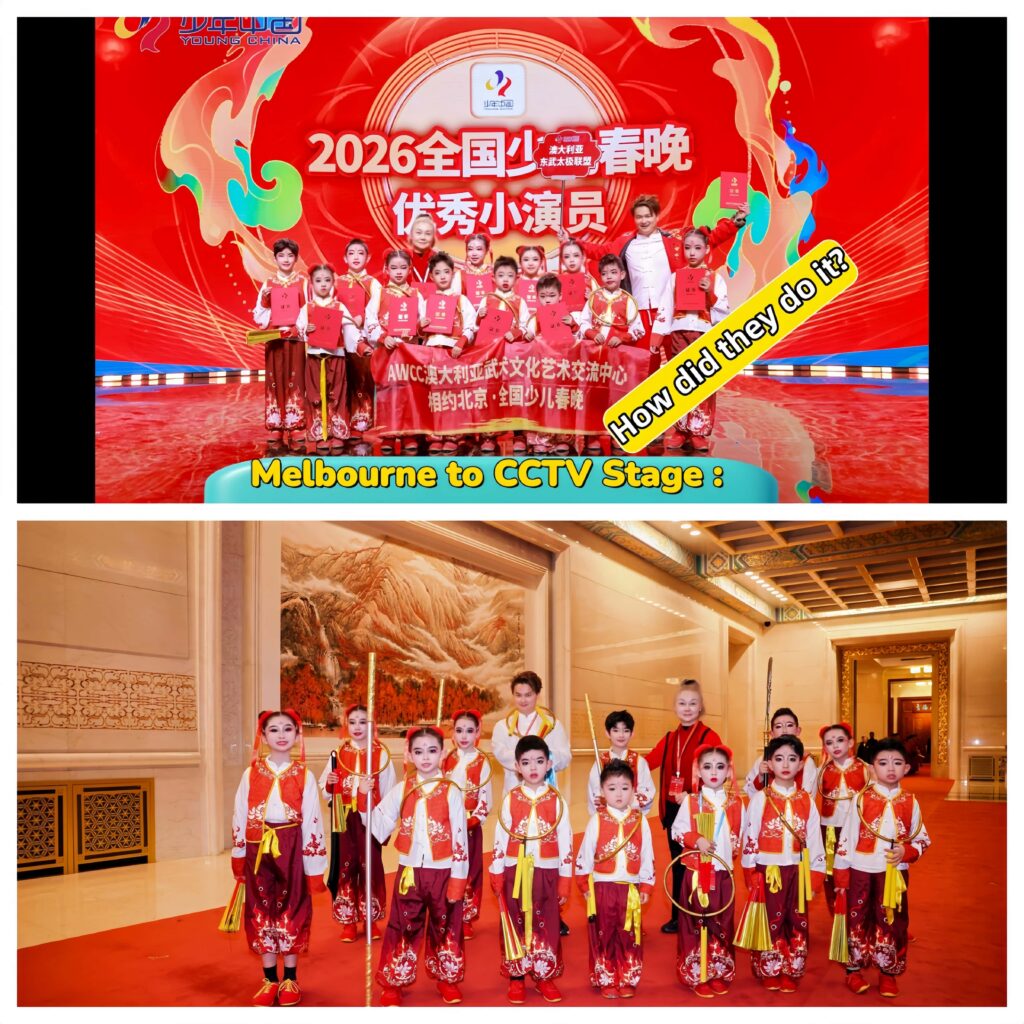
From Chen-style Tai Chi on the banks of the Yellow River to a community classroom beside the Yarra; from winning gold and silver on the competition floor to the spotlight of the Great Hall of the People — these young children of overseas Chinese, born abroad and still stumbling over their Chinese, completed, one movement at a time, the most direct conversation with their ancestral culture that their parents had hoped for across generations.
3. A Southern-Hemisphere Landmark of Friendship Through Martial Arts
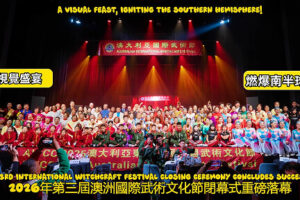
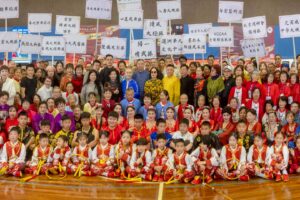
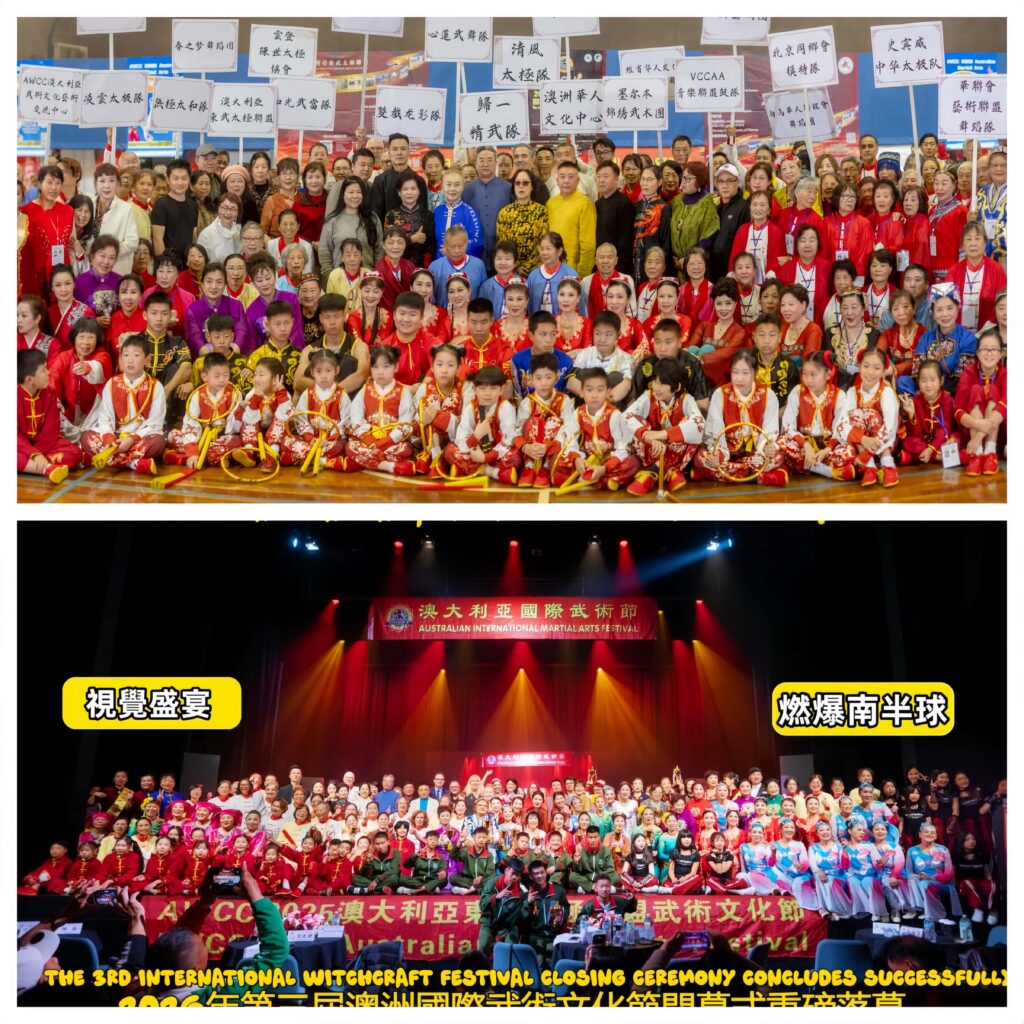
The Australian International Wushu Festival, chaired by Wendy for three consecutive editions, has become one of the largest wushu cultural gatherings in the Southern Hemisphere: the inaugural festival in 2018 brought together more than five hundred athletes; the second, in 2019, drew nearly a thousand competitors from around the world; and the third, held at Box Hill in Melbourne in 2026, gathered more than a thousand athletes and guests from China and abroad, with the Chinese Consul-General in Melbourne attending and speaking at the ceremony. The festival has received continuing support and coverage from the Chinese Consulate-General in Melbourne, and Victoria’s leading English-language newspaper The Age published a photographic record — a web of people-to-people cultural exchange, woven by the community itself, growing ever denser across Melbourne.
4. Parents and Children Training Side by Side, Two Generations Sharing the Chinese Spirit — the Most Special Scene in AWCC’s Classrooms: A Whole Family’s Shared Practice
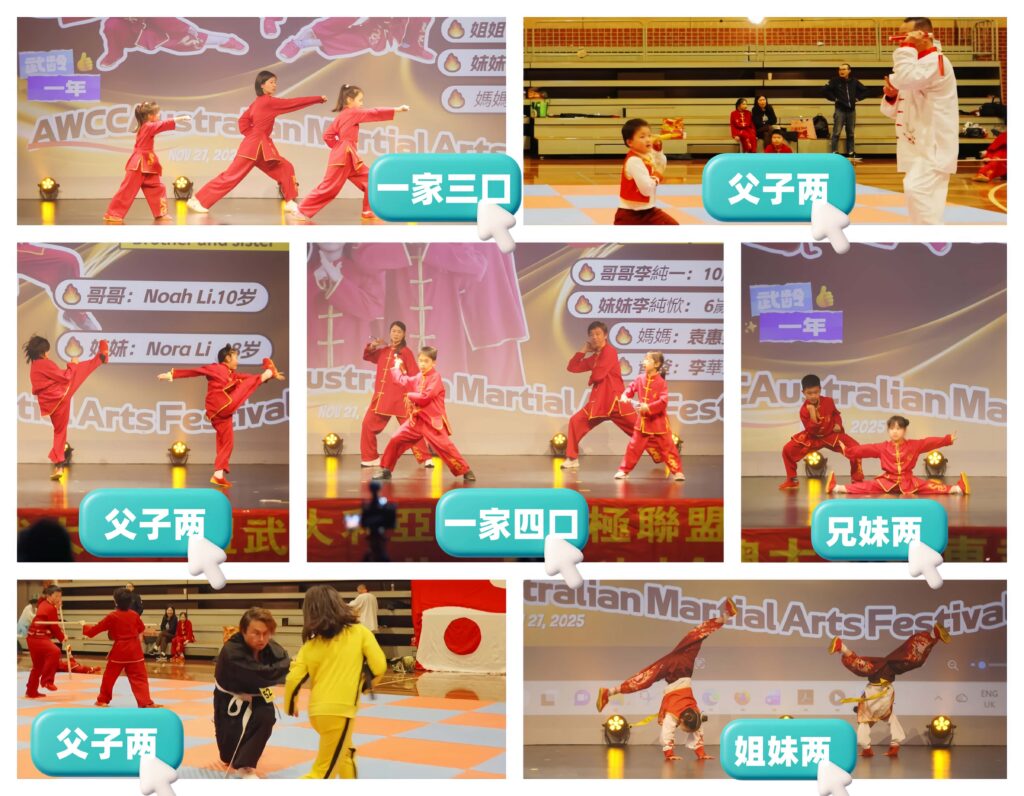
In AWCC’s classrooms you will often see this scene: on one half of the floor, children hold horse stances and throw punches with their instructors; on the other half, the parents who have just dropped them off follow the same opening movements into Chen-style Tai Chi. Wushu and Tai Chi have never been a solitary practice — the parent-and-child programme we pioneered runs both classes at the same time in the same space: one drop-off, and the whole family shares in the Chinese spirit. Elders restore body and mind, young people learn courtesy and build strength, and friends from other cultures come to understand the Eastern philosophy of Tai Chi — “harmony without uniformity” — in every breath, in every opening and closing of the hands.
Nine years of holding the stance, and the work goes on. From free community classes to international wushu competitions; from young performers in the Great Hall of the People to the relay of kindness through a charity foundation — Wendy Jiang and the AWCC Oriental Tai Chi team are not merely teaching a set of movements. They are turning the courtesy within wushu, the inclusiveness within Tai Chi and the warmth of the Chinese community into a cultural bond that crosses languages, and sowing the seeds of fine Chinese traditional culture across the Southern Hemisphere.